


In the first half of 2026, the commercialization of domestic surgical robots is entering a critical phase of accelerated implementation. Based on public market data and research reports from multiple securities firms, top-tier enterprises represented by MicroPort MedBot’s Toumai® laparoscopic surgical robot and Jingfeng Medical have each forged distinctive growth trajectories, jointly elevating the influence of domestic surgical robots across the global market.
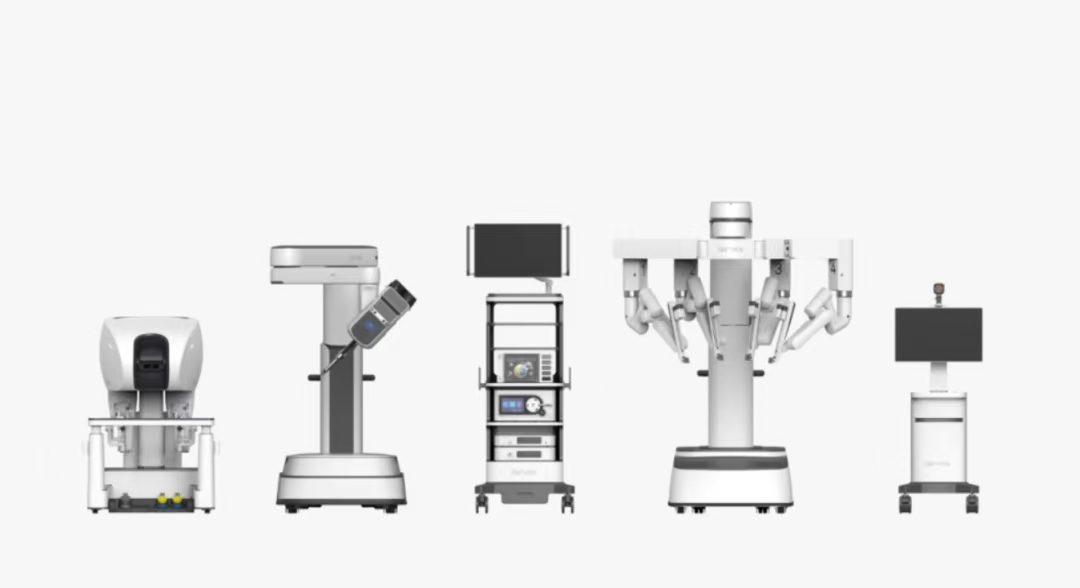
In terms of overall sales volume, Toumai® developed by MicroPort MedBot ranked as the top-selling domestic surgical robot brand in the first half of 2026 with outstanding commercial performance. Statistics show that Toumai® secured 100 newly installed commercial units worldwide and over 140 new commercial orders in the first six months of 2026 alone, among which 10 orders were generated domestically.
As of June 2026, the cumulative global commercial orders of Toumai® have exceeded 300 units, with commercial installations surpassing 200 units. It ranks first among all domestic brands in multiple core indicators and holds a substantial lead in newly added installations and orders, securing its leading position in the domestic surgical robot industry.
During the same period, Jingfeng Medical also posted robust growth momentum. Among domestic public hospitals' bidding awards and procurements for laparoscopic surgical robots in 2026, Jingfeng claimed the top spot among domestic brands with a 30% market share. As of the first half of 2026, its cumulative domestic installed base reached 60 units.
Overseas market expansion has also advanced rapidly. As of May 30, 2026, Jingfeng Medical’s cumulative overseas shipments and installed units exceeded 100, while the total number of surgeries performed globally surpassed 20,000. Zhujiang Hospital of Southern Medical University alone completed more than 1,600 surgeries as a single medical center, and multiple medical centers recorded an average of over 30 surgeries per month. Its commercial deployment has entered a new stage of large-scale development.
The company’s management team is fully confident in achieving its full-year target of approximately 120 installed units. Multiple brokerages hold a generally optimistic outlook on its development, forecasting that its total operating revenue for the full year 2026 will range from RMB 824 million to RMB 848 million.
Though both stand in the first tier of domestic laparoscopic surgical robot manufacturers, MicroPort MedBot and Jingfeng Medical have adopted entirely distinct development paths. Their divergent product strategies essentially represent differentiated choices shaped by their respective inherent resource endowments.
MicroPort MedBot has adopted a global development strategy of high-end positioning and technology leadership for its Toumai® system. In terms of technical roadmap, the company adheres to full-chain independent R&D starting from underlying core technologies, striving to become a setter of industrial standards. The Toumai surgical robot is the world’s first remote surgical system capable of supporting all clinical departments and full surgical procedures, establishing an overwhelming edge in the field of remote surgery.
By contrast, Jingfeng Medical adopts a differentiated strategy centered on platform integration and flexible market penetration. In terms of technical roadmap, its core strength lies in developing the world’s first integrated surgical robot platform combining multi-port, single-port and remote surgery functions. The platform features one single control system compatible with a wide range of surgical procedures, and the company leverages its robust engineering capabilities to drive rapid product iteration.
In terms of product lineup, Jingfeng Medical focuses tightly on laparoscopic robots and has built a comprehensive product portfolio covering multi-port, single-port, and natural orifice transluminal endoscopic surgery (bronchoscopy) solutions with a highly concentrated product pipeline.
The drastically different strategic choices of the two enterprises are no coincidence. Instead, they are deeply rooted in the industrial ecosystems of their respective headquarters locations, representing a mutual fit between corporate strategies and regional industrial endowments.
The Shanghai municipal government has clearly outlined plans to accelerate the iteration and upgrading of high-performance surgical systems such as laparoscopic surgical robots, alongside targeted investment via special funds. This full-chain policy support is perfectly aligned with the development demands of technology pioneers that require long-term capital input and in-depth research on fundamental technologies, enabling the enterprise to wholeheartedly pursue technological leadership in the industry.
Ultimately, MicroPort MedBot has embarked on the arduous yet highest-barrier path of a "pioneering climber", while Jingfeng Medical follows the "wave rider" route that prioritizes speed and efficiency. Despite their divergent trajectories, both enterprises have evolved into trailblazers of China’s surgical robot industry by deeply integrating with the local industrial strengths of their respective home cities. Together, they help domestic surgical robots break overseas technological monopolies across the global market, pioneering multiple industrialization pathways for high-end medical devices with distinctive Chinese characteristics.