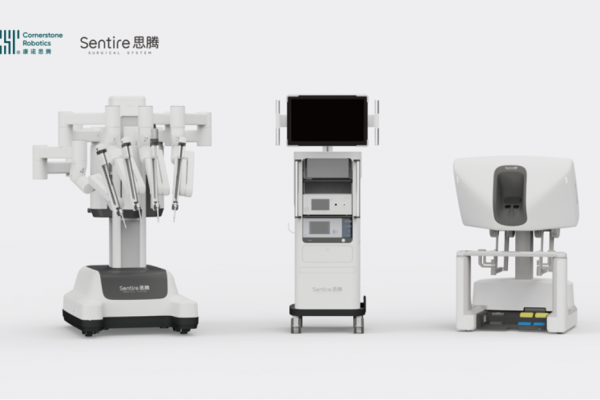
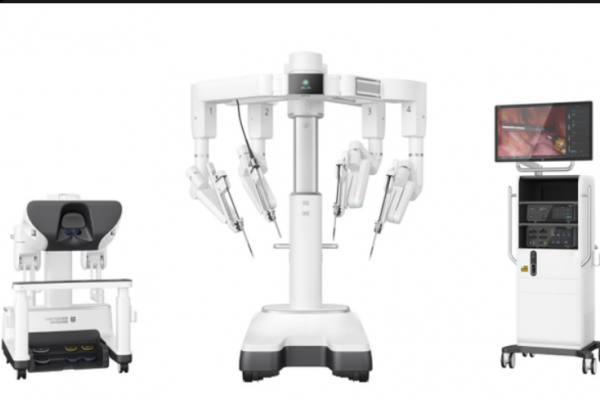
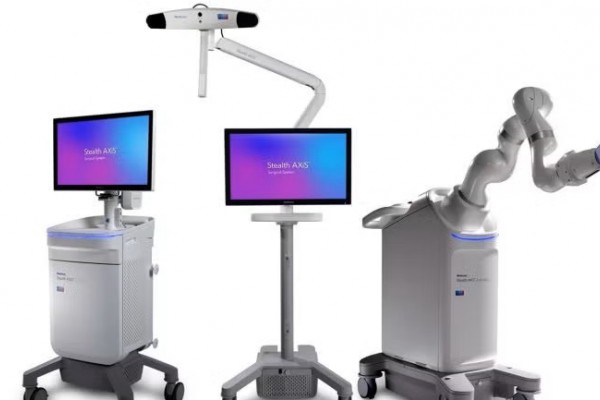
On September 1, 2026, Medtronic, a global medical‑technology giant, and Cornerstone Robotics, a Chinese laparoscopic surgical robot developer, officially announced a deep strategic partnership.
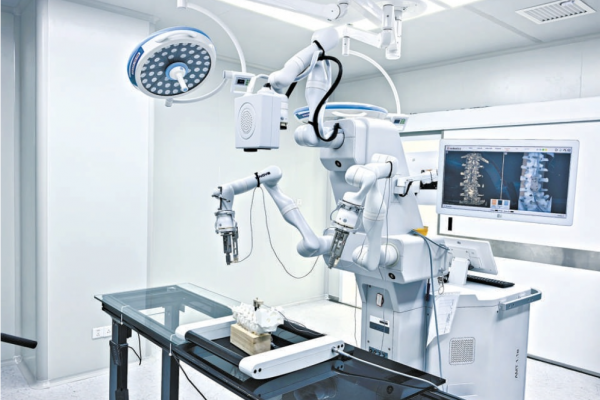
At the Medical‑Health Pavilion of the Changping‑Future Science City exhibition group, Chunfeng Huayu (Beijing) Intelligent Medical Technology Co., Ltd. showcased its self‑developed world‑first three‑arm surgical robot. Boasting its groundbreaking human‑shaped three‑arm architecture and end‑to‑end in
On August 7, 2026, Intuitive Surgical’s gastrointestinal endoscopic robot, the IG1000, secured FDA 510(k) clearance under clearance number K253702.
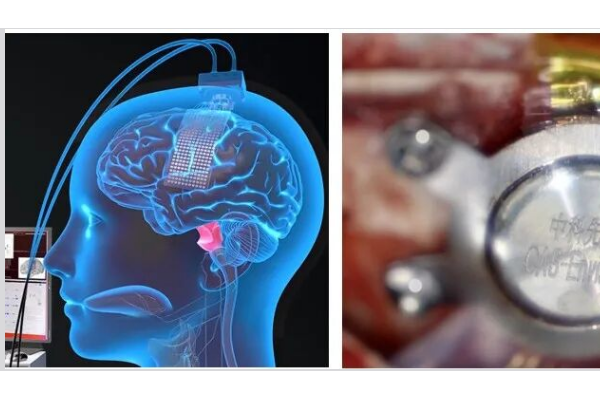
Within an implantable‑BCI system, electrodes are responsible for capturing neural signals and chips execute signal‑processing computations. The hermetic feedthrough, by contrast, serves as the critical gateway for signals to pass through the sealed housing of the implanted device.
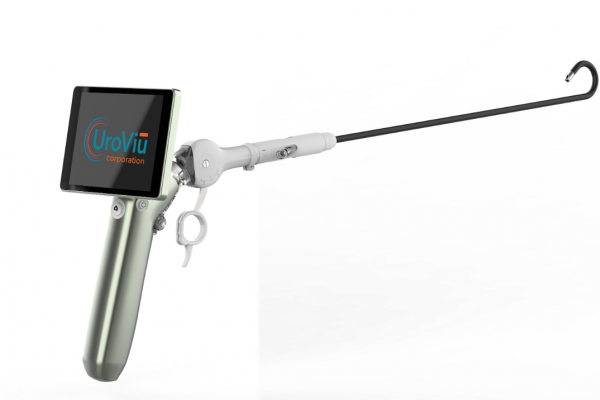
On August 27, 2026, Apollomics (688176.SH) officially announced that its independently‑developed portable single‑use flexible blue‑light cystoscope, APLD‑2304, has successfully obtained CE certification under the EU Medical Device Regulation (MDR), alongside an ISO 13485:2016 Quality Management Syst
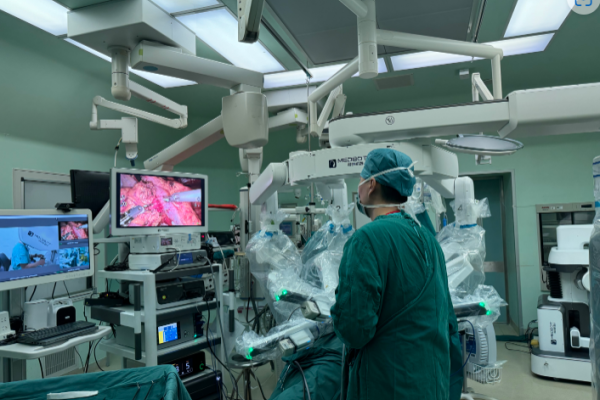
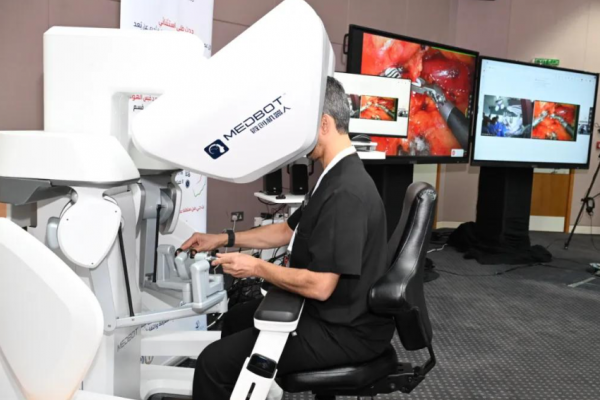
Recently, a domestic‑developed laparoscopic surgical robot has achieved a landmark breakthrough in core‑technology dimensions.
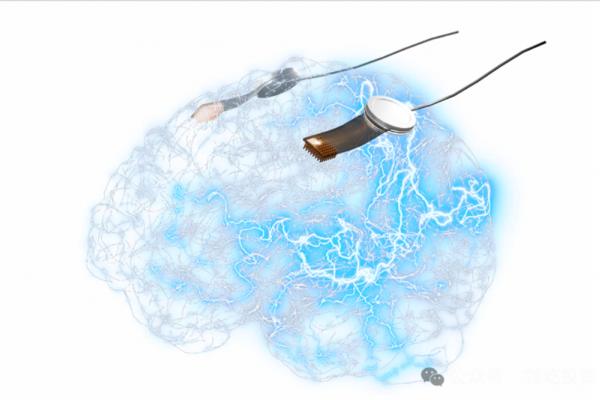
On August 25, Lepu Medical (300003.SZ) released its investor‑relations activity record, disclosing that the company’s interventional multi‑channel brain‑computer‑interface (BCI) product has successfully completed animal experiments and officially entered the human‑subject Investigator‑Initiated Tria
According to a recent announcement on GeRay‑Tech’s official WeChat account, its Newton‑Endo series minimally‑invasive spinal endoscopic surgical robot has successfully completed the world’s first in‑vivo animal experiment with autonomous robotic operation, under the full‑process witness of the team
Recently, the U.S. Food and Drug Administration (FDA) has granted commercialization authorization for Aletta, a fully‑autonomous blood‑collection robot developed by Dutch medical‑robotics firm Vitestro, via the De Novo classification pathway for innovative medical devices.
Invasive brain‑computer interfaces represent the most promising technical pathway for high‑fidelity neuronal signal acquisition and the restoration of impaired neural functions.
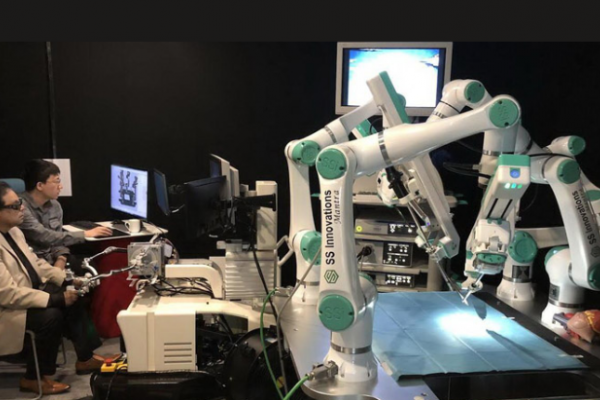
Indian surgical‑robotics enterprise SS Innovations delivered an impressive growth performance in the first half of 2026.
DARPA is concurrently advancing two cutting‑edge technology pathways related to the brain.
Recently, the U.S. has launched a landmark collective research program on autonomous surgical robots.
On July 28, Zhongke Xianjian co-hosted an IIT clinical investigator meeting on implantable cortical vision restoration brain-computer interfaces together with Shenzhen Eye Hospital, The Second People’s Hospital of Shenzhen, Shenzhen Institute of Advanced Technology, Chinese Academy of Sciences, and
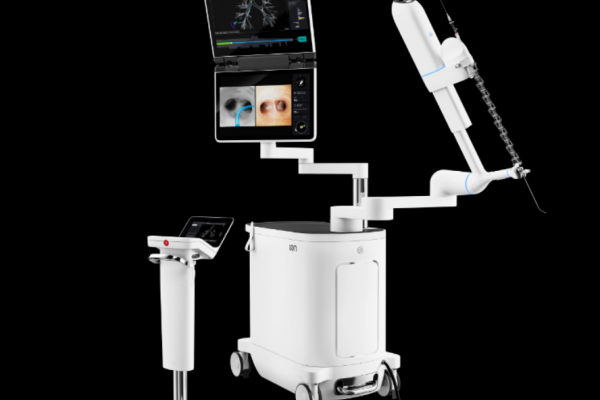
In January 2026, uSurg DoctorX, the thoracoabdominal endoscopic surgical system under United Imaging Healthcare, secured its first registration approval from the National Medical Products Administration (NMPA), obtaining official regulatory qualification for commercial launch.
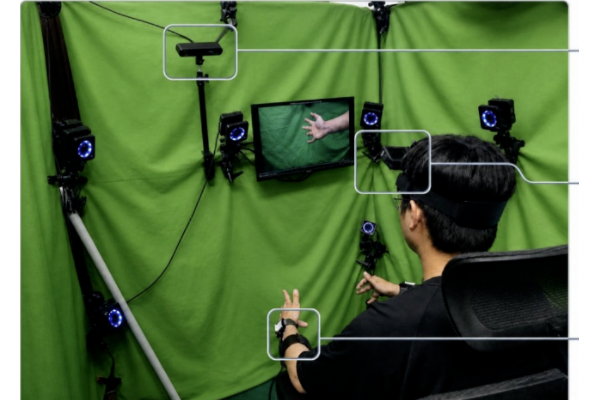
Over the past two decades, the core thread of human-machine interaction has been enabling machines to better interpret human "commands".
On July 23, 2026, Momentis Surgical, an Israeli surgical robotics company, officially announced that the multi-port configuration of its Anovo® surgical system has secured U.S. FDA 510(k) clearance.
In July 2026, the National Health Commission of the People’s Republic of China and two other relevant central departments jointly issued the Circular on Further Improving the Centralized Procurement of Medical Equipment in Public Medical and Health Institutions, which explicitly brought laparoscopic
On July 16, GE Healthcare announced a 10-year strategic partnership worth $500 million (approximately 3.4 billion Chinese yuan) with Catholic Health.
Long‑dominated by overseas brands that left China with no alternative, the surgical‑robot sector now sees Chinese‑made equipment powering one out of every two robotic‑assisted remote surgeries worldwide. Through over a decade‑long journey of continuous innovation, China’s surgical‑robot industry has