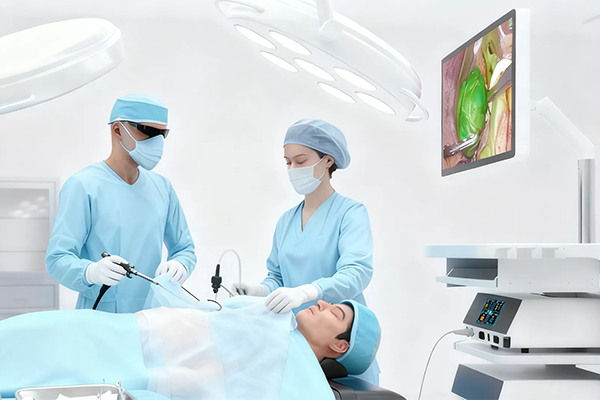
KAING is dedicated to researching cutting-edge medical image processing algorithms, 3D display technology, and new display technologies like Mini-LED and OLED. Our mission is to deliver technologically advanced, high-quality, and reliable products to our clients.
Company News10-12 |
by
owen
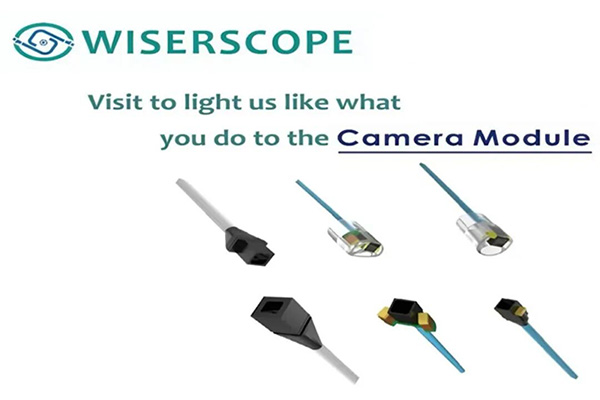
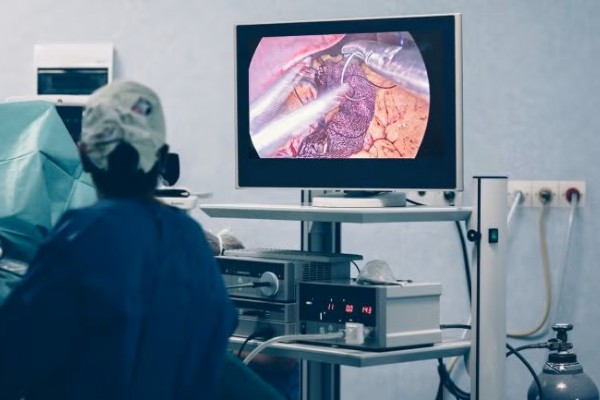
Regarded as a technical background company, we focus R&D and manufacturing of imaging module for medical endoscope
Company News09-29 |
by
owen
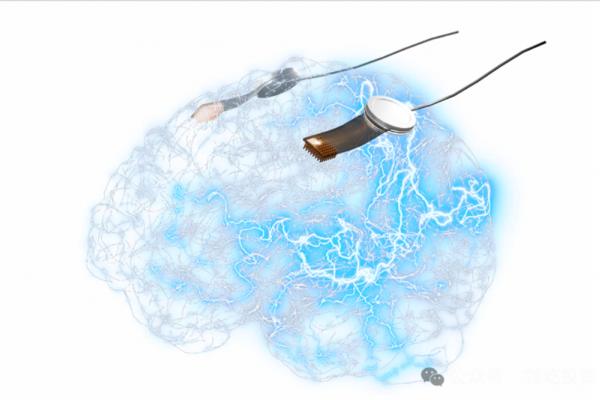
Within an implantable‑BCI system, electrodes are responsible for capturing neural signals and chips execute signal‑processing computations. The hermetic feedthrough, by contrast, serves as the critical gateway for signals to pass through the sealed housing of the implanted device.
A lawsuit involving Medtronic’s hernia mesh products recently commenced in federal court in Boston.
In the USA and China, 30% of severe symptomatic aortic stenosis patients are inoperable. This is due to other health risks or old age. For inoperable patients, minimally invasive valve repair or replacement via a transcatheter approach is recommended.
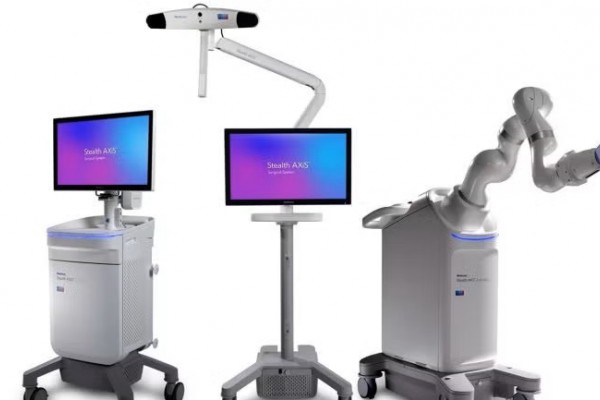
The Stealth AXiS platform supports customisable adoption based on each hospital’s needs.
Avatar's software translates CT and MR imaging data into 3D images to streamline surgical planning and operating room workflows.
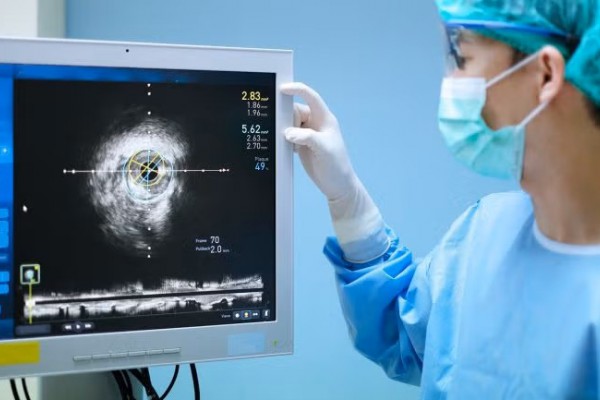
Ultreon 3.0 uses AI and OCT to provide real-time, high-resolution imaging during minimally invasive heart procedures.
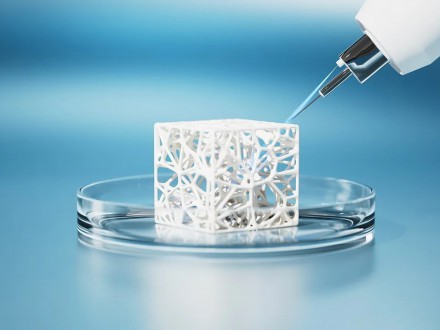
UT Austin researchers developed a dual-light 3D printing method using resin that creates objects with both soft and hard properties, promising advances in prosthetics and medical devices that better interface with the human body.
Sectors Trend04-27 |
by
MD+DI
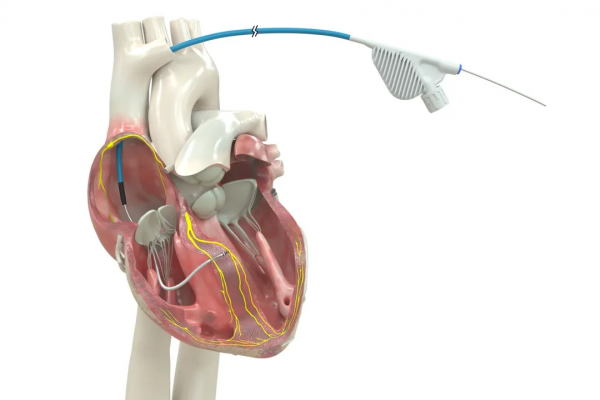
Discover the design and engineering story behind the company’s OmniaSecure defibrillation lead.
New Products/Tech04-22 |
by
MDDI
Clinical data demonstrate low mortality, fewer complications and faster patient recovery with a minimally invasive alternative to open-heart surgery.
New Products/Tech04-07 |
by
genesis
The system has been lauded as one of the next best things in medtech for its approach to mark breast cancer lesions for surgical removal.
Sectors Trend03-26 |
by
owen