



In April, virtual cardiometabolic care provider Vida Health struck a partnership with Oura, maker of the world’s leading wearable health tracking ring, the Oura Ring.
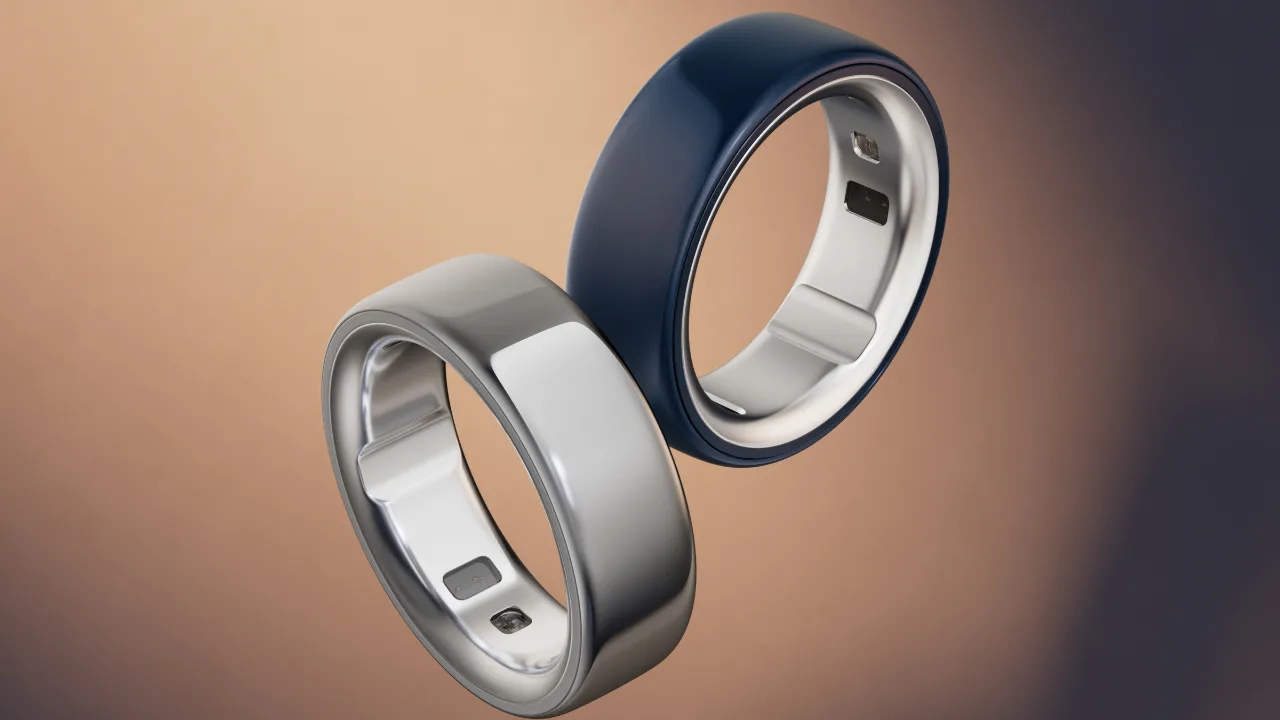
This is one of several recent partnerships for the wearable health technology company, which has gained major traction in the market over the last five years.
In October, Oura secured more than $900 million in funding, valuing the company at about $11 billion. The same month, it surpassed more than 5.5 million sales.
The newest generation of the ring, which measures heart rate, sleep, stress, body temperature, blood oxygen, and more, retails for around $350 at the low end.
The global smart ring market, valued at $340.9 million in 2024, is projected to grow to in excess of $2,525 million by 2032, at a compound annual growth rate (CAGR) of 29.3%, according to a Fortune Business Insights report.
The company announced in August that the smart ring would offer pregnancy and menopause support integrations through partnerships with Midi Health, Evernow, Maven Clinic, and Progyny.
In February, it doubled down on women’s health through a partnership with femtech company Mira to integrate lab-grade hormone testing data, positioning the wearable ring maker to capture a share of the rapidly growing $60B femtech market.
Months earlier, Oura partnered with Dexcom to help provide users with metabolic health and glucose information.
Through the new Vida partnership, Ōura’s real-time biometric data will be integrated into Vida’s clinical programs and existing datasets, providing actionable insights for users to help drive lasting behavior change, measurable health outcomes, and a data-driven approach for employers and health plans to improve workforce health and manage costs.
Vida’s care team will now gain access to key physiological signals measured by Oura, including sleep, heart rate variability, and resting heart rate, combined with clinical and behavioral data.
This comprehensive member health view enables earlier identification of potential risks and more informed care decisions between appointments, lab tests, and coaching sessions, improving member engagement and adherence.
Using Oura data, Vida’s care team will adjust patient care plans based on changes in recovery or cardiovascular signals, personalizing coaching based on sleep and stress patterns, and identifying early warning signals before additional clinical intervention is required.
Reporter connected with Richard Frank, MD, MHSA, chief medical officer at Vida, and Jason Macaleer, chief strategy officer at Vida, to discuss the new partnership with Oura.
How does real-time biometric data from Oura Ring change the way Vida's care teams make clinical decisions?
Frank: The Oura Ring produces a large number of highly valuable clinical metrics. As we review the technology, we find sleep metrics, readiness and recovery metrics, activity, cardiovascular metrics, temperature and cycle-related metrics, so there is a wealth of data. Some of this data has been clearly shown in literature to correlate with improved metabolic outcomes. For example, activity, sleep, and nighttime oxygen scores. Many studies clearly show a correlation between improved metabolic outcomes and incremental weight reduction. I think there are other metrics that are more cutting edge, and we as an organization, along with Oura, plan to really tie their information to our clinical care and our clinical outcomes. One of our objectives for this relationship is to identify new relationships between Oura data and meaningful clinical outcomes that patients, employers, and plan sponsors care about. To the extent that we identify those relationships, we will be publishing on them.
Macaleer: It is worth noting that we fully recognize that at this point in time, Oura is a consumer wellness device. They are not making claims about using their data to diagnose. That is not lost on us. We believe it can still be a valuable tool when you look at it through the context of leading indicators of health. That is where I think Vida offers a differentiated approach. We can use the data captured from Oura and combine that with the data we have from our own devices, from medical records, from prescription history, medication adherence, and actual lab work, and start to draw the correlation and use some of the Oura data to then intervene further upstream. Make earlier care interventions that ultimately drive care plan adherence and or behavior change. Behavior change is really important, especially in the world of diet, exercise, sleep, stress, which are areas that Oura measures. We are not using this as a diagnostic tool, but as a leading indicator that can help influence and shape care interventions that we do deliver.
Can you walk us through a real-world example of how sleep or HRV data might trigger an earlier intervention?
Frank: The literature on sleep is clear. Patients who do not have the recommended amount and quality of sleep have more difficulty losing weight. Additionally, we know that patients who struggle with obstructive sleep apnea potentially have their oxygen decline at night and wake multiple times during the night. The Oura ring can be a leading indicator for that. Undiagnosed or under treated sleep apnea can similarly impair a patient’s glucose control, and their ability to manage weight. I think the biometric detail we obtain from Oura can really be a leading indicator and allow our physicians and nurses to investigate further when something seems awry.
How does this partnership position Oura differently from competitors like Apple Watch or Whoop in the clinical space?
Macaleer: There are so many great wearable biometric device companies out there, and we applaud them all. The innovation happening in wearable tech is profound. They went from rudimentary pedometers to now these really clinically weighty devices that do a great job informing their users how to change habits. What we really liked in Oura is they have a great elegant and sleek design. That means people use the device more frequently, and for longer periods of time, so it offers the passive data collection we are really looking for. They are also really innovative in the wearable space, and are constantly exploring new metrics and new physiological data to capture and new ways to deploy their ring. We really like the innovative position. They have a great brand, a strong reputation, and they have delivered really reliable, consistent data. We tested some other wearables that had more inconsistent data, which as a user, can be frustrating. Oura is very consistent, very reliable, and doing it at the scale that we really liked. At the end of the day, we want to give Vida members a choice and we want to be able to capture data from all different wearable and medical device organizations eventually, but for those reasons we really liked Oura for this particular partnership and we believe it will be a long-term partnership.
Is this partnership a template for future clinical integrations, or is metabolic care uniquely suited to wearable data?
Frank: We are looking at broad clinical partnerships across the ecosystem. The ultimate objective is to improve the health of our patients and deliver meaningful value to our sponsors, which are typically our employers. Much of what we do in the cardiometabolic space crosses a number of areas within healthcare. I already alluded to obstructive sleep apnea. Right now, people can deploy sleep tests to see if patients obstruct in the middle of the night. There are patients that have cardiovascular disease, as well as cardiovascular kidney metabolic syndrome, and there are opportunities to partner there. Ultimately, from a clinical perspective, our objective is to provide comprehensive solutions to patients and sponsors in a way that creates value for both. Where there may be gaps in our clinical care, we are eager to have those conversations with potential partners.
Macaleer: As a virtual specialty clinic, Vida has a multidisciplinary care team of physicians and for our physicians, the care plans we put members on are as important as the adherence to those plans. We know the best care plan is the one a patient follows, and the most expensive medication is the one not taken. A physician can put together a great care plan, and use shared planning with the member, a robust set of evidence based protocols, but if the patient doesn’t follow that care plan, their health will not improve. And that is ultimately what we are trying to get to. We have built out a really robust, evidence based set of protocols that make sure we are delivering the right care for the right people at the right time. We also have a unique ability to influence the patient’s adherence to that care plan through a digital experience. A lot of the capabilities in our digital experience can be magnified by some of the partners. If you think about remote patient monitoring, some of the clinician encounters in messaging, that data capture, that longitudinal data aggregation, we can use that digital experience and all of the data we are capturing to be way more thoughtful and specific in how we support patients to drive better care plan and adherence and ultimately make durable change. There are other partners in the space; not just at-home wearable providers, but at-home diagnostic tests, food as medicine companies, and they all can play a role in the digital experience that allow more leading indicators to be used to intervene much further upstream and ultimately drive that care plan adherence. We care about the care plan, but also adherence, and we look at the ecosystem partners out there as a way to drive that.
Where do you see the intersection of wearables, AI, and virtual care heading in the next 3-5 years?
Frank: The amount of data that can be produced with wearables, and one can only imagine what incremental data might be available as we move into the future with AI-enabled wearables, will be enormous. It will far exceed the ability of any clinician to review it in a traditional interaction and discern patterns. With AI, coupled with the kind of data we can collect and the wearable data, you now have a large-language model that is focused on clinical data and outcomes looking for unique correlations and causality. AI will then service that data to clinicians in an evidence-based way to validate those associations, publish on them, and agree within the medical community that those are reasonable associations to make. That can drive new and interesting interventions which we may be able to leverage to improve the healthcare of individuals. I think there is enormous opportunity, both in terms of gathering data, but also interpreting it with outcomes, and finding new ways to treat patients and improve health.
Macaleer: The advances that are happening in biometric wearables, even just in the last few years, given AI’s role in that, AI will likely continue to be very profound. It will get to the point where you can draw correlations between wearable data and weighty clinical metrics. The correlation that those have, once proven and vetted, whether or not FDA approves wearables or not, we will still be able to get into this predictive space where we can close the feedback loop in real-time and improve health on the fly. Ultimately, you get into a disease prevention state rather than reacting to diseases. I would love to see that further upstream push for predicting people who are at risk, preventing disease, and keeping people in the state of wellness before a disease is indicated or progresses.
Is there anything else you would like to expand on?
Frank: Given my training, I am used to looking at blood pressure data, blood sugar data, sleep data, but what I suspect will happen is that the data we never paid attention to and had no idea that it brought significant value, with comprehensive wearables and AI we will find out that that piece of data we weren’t looking at is highly predictive of a heart attack, and we had no idea and never saw it. Suddenly, something will bubble up and become a metric that no one was looking at before. It will come out of left field as the metric to watch. I suspect there is data out there we have no idea is clinically valuable, and overtime, it will bubble up as being something really relevant.