


*Registered as SR1 series in select countries and regions.
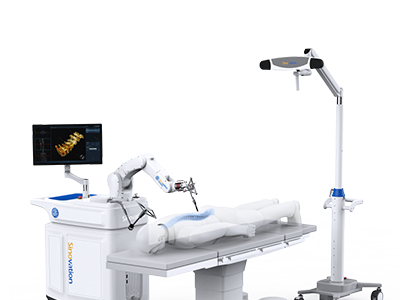
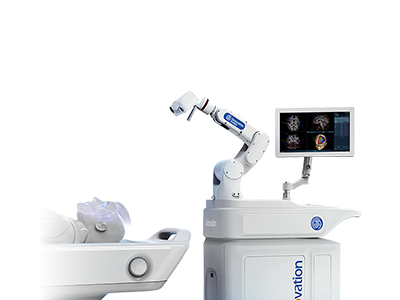
Sinovation® has spared no effort in the continuous R&D and manufacturing of high-end neurosurgical medical equipment for over twenty years. The birth of Sinovation® Sinobot X1 has once again redefined neurosurgical surgery robots to a new height. The integration of Holoshot® 3D structured light registration technology and a fully automatic robotic arm brings neurosurgeons an extremely precise, convenient, and efficient surgical assistance experience, turning continuous clinical breakthroughs and transcendences into reality.
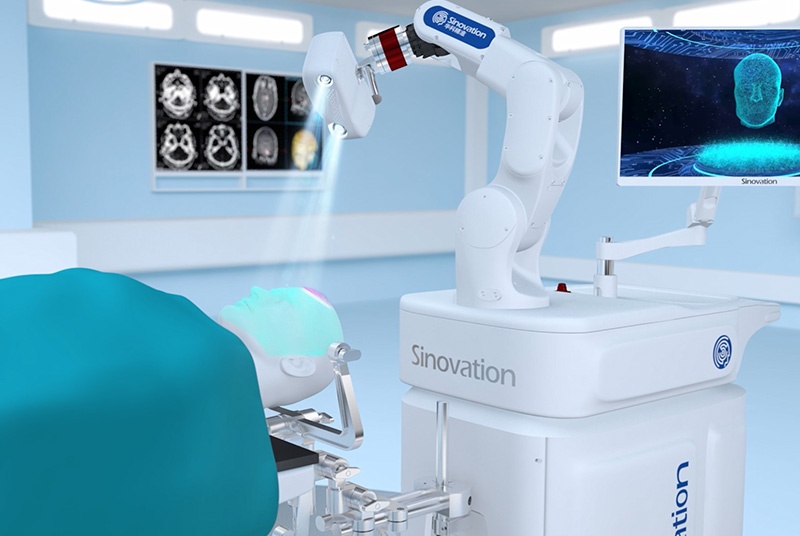
Holoshot®3D Structured Light Registration Technology
In neurosurgical robot-assisted surgeries, patient registration is a critical step in the entire surgical process. Its primary function is to map the surgical path planned by the physician in the image space to the physical space. The precision of patient registration directly determines the final navigation and localization accuracy of the system. Additionally, the convenience of patient registration operations directly impacts the overall surgery duration.
Safe and Efficient Robotic Arm
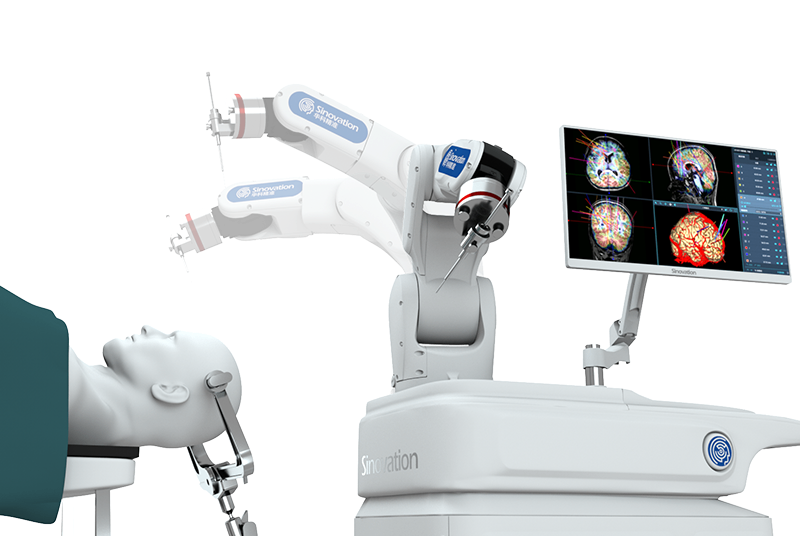
The robotic arm is the core component of a surgical robot. Neurosurgery places extremely high demands on the overall performance of the robotic arm system. As a pioneer in the medical robot industry, Sinovation always adheres to the most rigorous attitude and almost demanding safety standards to develop every product, solely to deliver safer and more precise robotic surgeries to doctors and patients.
Powerful Surgical Planning System
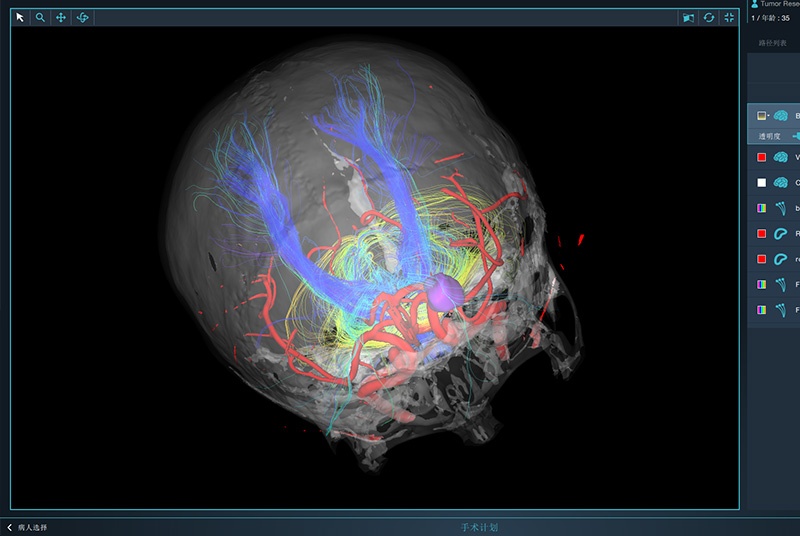
The surgical planning system is the soul of intelligent surgical robots. For more than a decade, Sinovation® has closely combined clinical needs to develop the powerful and user-friendly surgical planning system SinoPlan™, enabling comprehensive, precise, and rapid formulation and simulated execution of neurosurgical plans.
Wide Clinical Indications
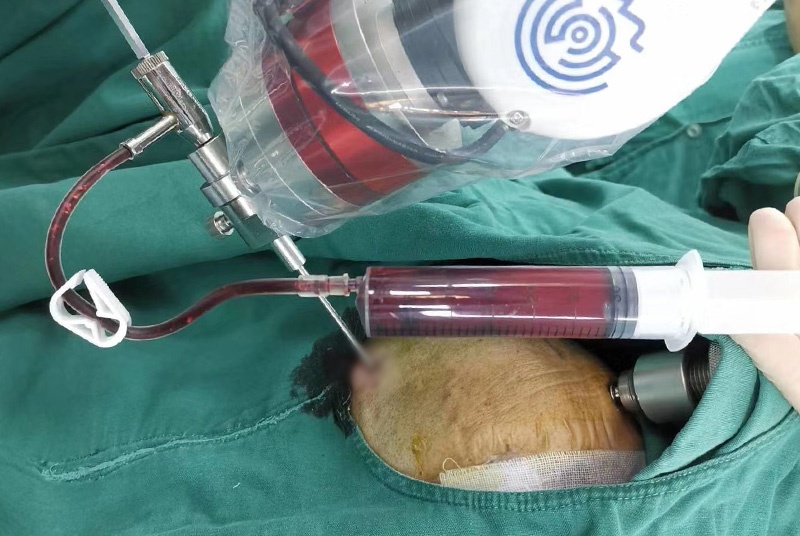
Upholding deep technical accumulation and rich clinical experience, Sinobot X1 is applicable to multiple neurosurgical fields such as intracranial tumors, cerebral hemorrhage, Parkinson's disease, trigeminal neuralgia, and epilepsy. At the same time, it features an open expansion platform to meet the higher requirements of future departmental development.