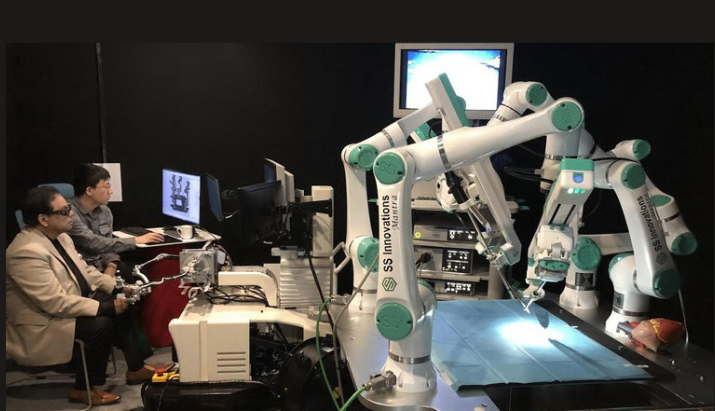
Indian surgical robotics firm SS Innovations delivered an impressive growth performance in the first half of 2026: it added 56 new units of the SSi Mantra system, recorded 4,387 surgical procedures (a 135.7% year‑over‑year increase), and generated USD 25.04 million in revenue, representing a 65.6% year‑over‑year rise.
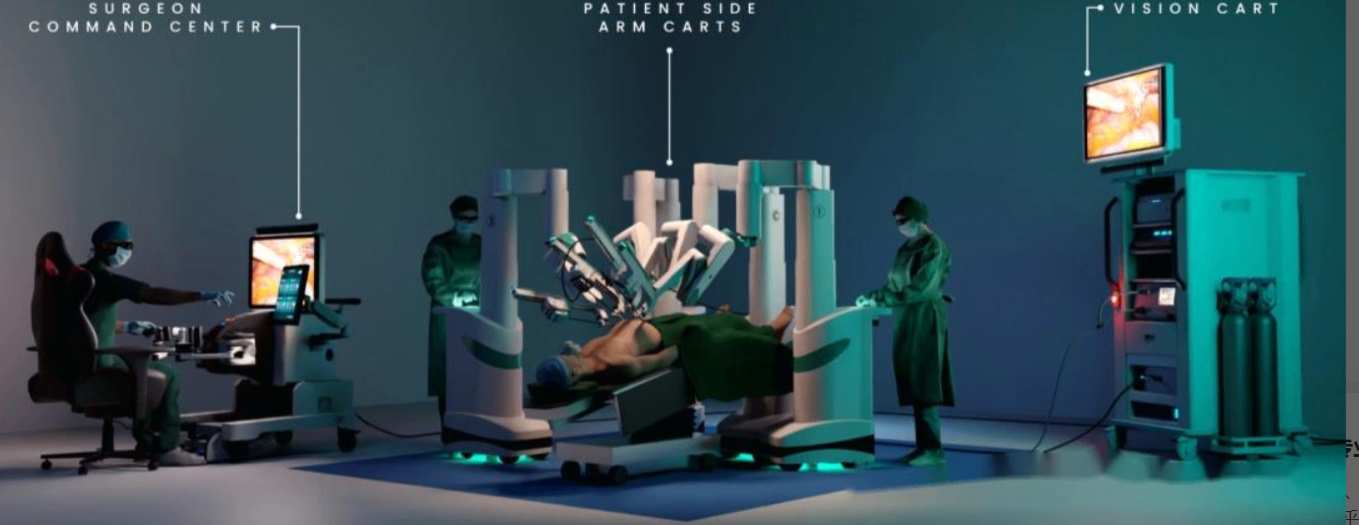
According to its financial filings, cumulative global installations reached 224 units as of end‑June, with business presence across 12 countries and 12,272 cumulative surgical procedures completed. Based on its publicly‑available operational data, its overall expansion pace far outpaces most peer enterprises at a comparable stage in the industry.
Yet the truly noteworthy takeaway lies not in the headline‑grabbing high‑growth figures, but in details buried within its balance sheet. Specifically, as of June 30, 2026, the company’s net accounts receivable hit USD 25.497 million, nearly equivalent to its total revenue for the first half‑year. This stems from SSI’s policy allowing partner hospitals to pay for equipment over a 3‑ to 5‑year installment period. This special arrangement serves as the key to understanding the logic behind its rapid expansion.
It can be inferred from the data that SSI’s installation growth is driven by two core engines. The first is its well‑recognized price advantage: the domestic price of the SSi Mantra in India is less than one‑third of comparable systems from Intuitive Surgical, while the costs of supporting consumables and maintenance services stand at only one‑third to one‑half of those of international competitors. This substantial cost advantage does not stem from a technological gap; instead, it is enabled by India’s local manufacturing base. Local processing services, 3D‑printing capacity, supply chains for electronic and mechanical components, outsourcing services, and the cost of technical talent are all far lower than those of their European and U.S. counterparts. This cost‑reduction path is highly analogous to the development logic of Chinese medical device enterprises. At its core, both build cost‑performance barriers distinct from global giants through supply‑chain localization, domestic substitution of key components, and labor‑cost differentials.
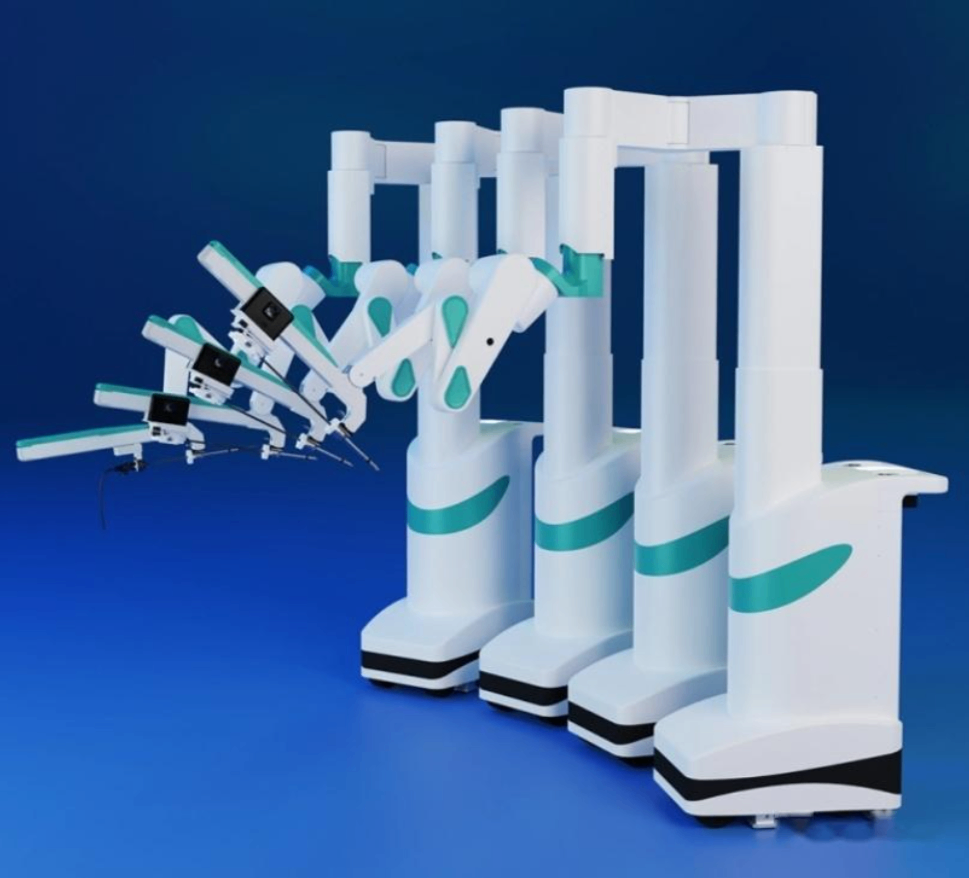
The second lever that has truly driven its breakthrough in installation growth is its flexible installment‑payment model. SSI offers customers three alternative sales options: one‑lump‑sum outright purchase, deferred or installment‑based purchase, and pay‑per‑procedure pricing. Clients only need to pay a modest down payment, with the remaining equipment costs amortized in annual installments over three to five years. In essence, the company itself assumes the financing function normally undertaken by equipment vendors.
This model delivers a very direct boost to equipment installations. For many hospitals, procurement hurdles often stem not from the total price of equipment, but from whether sufficient budget is available for the fiscal year, whether large one‑off capital expenditure can pass internal approval, and whether they are willing to bear the full cost while surgical volumes are still ramping up right after device introduction. The 3‑to‑5‑year installment structure perfectly aligns the equipment spending cycle with the operational ramp‑up phase of the project, substantially lowering barriers for hospitals to make procurement decisions.
Nevertheless, this model carries tangible financial consequences. The company recognizes revenue in accordance with contractual terms, discounts deferred payments to present value and makes allowance for credit losses. It has yet to generate positive operating cash flow sufficient to cover fixed operating costs and plans to continue funding its expansion via capital‑market financing. The firm posted a net loss of USD 6.24 million in the first half of 2026, with ongoing investment continuing to deplete its cash reserves.
From an operational‑quality perspective, the utilization rate of SSI’s installed base keeps climbing. Its 135.7% surgical‑volume growth in the first half far outpaces the 47.4% growth rate of new installations. With 12,272 procedures performed across 224 cumulative installed units, each device averages roughly 55 surgeries, building a solid foundation for clinical adoption. During the same period, the company completed intercontinental remote surgeries from India to Australia, Guyana and Colombia. Remote‑surgery capability not only serves as a direct embodiment of its technical moat, but also constitutes a critical bargaining chip for differentiated competition in emerging markets. Leveraging remote technology, it can mitigate constraints of regional medical‑resource gaps and extend coverage to more grassroots healthcare scenarios.
The real value behind its “installations across 12 countries” can be clearly seen from its revenue structure. Of the total USD 25.04 million revenue generated in the first half of 2026, the domestic Indian market contributed USD 23.30 million, accounting for as high as 93%. Overseas revenue stood at merely USD 1.16 million from South America and USD 0.387 million from Sri Lanka. Markets including the Philippines, Indonesia, the United Arab Emirates and Nepal only brought in scattered, small‑ticket revenues.
SSI expects to obtain the EU CE‑mark certification by the end of 2026, and complete the U.S. FDA 510(k) review by the end of Q1 2027. Prior to that, its overseas portion among the 224 installed units is largely deployed in emerging markets with lower regulatory‑entry barriers.
SSI has adopted a well‑defined strategic path: scale volume and iterate its products in the domestic market first, while deferring market‑access efforts for mainstream European and U.S. markets to a later stage. This is a dilemma many medical‑device enterprises from emerging markets face — whether to enter mature markets with high barriers and stringent certification requirements, or to roll out in lower‑threshold emerging markets with pressing unmet clinical demand. SSI has opted for the latter, with the corresponding trade‑off that the share of overseas revenue will hardly see rapid improvement in the short term.
In terms of overall revenue composition, equipment sales still dominate SSI’s revenue structure by a wide margin. Combined revenue from instrument sales and maintenance services stood at USD 3.067 million, accounting for merely 12.2% of total revenue. Despite an installed base of 224 units and 12,272 completed procedures, consumables‑and‑service revenue has yet to deliver notable scale effects. Only one new unit was deployed under its innovative pay‑per‑procedure model in the first half, yet the related book assets exceeded USD 5 million. At present, the company’s growth is driven entirely by equipment sales supported by flexible payment terms.
The expansion trajectory of this Indian enterprise offers highly valuable reference for Chinese surgical‑robot firms pursuing overseas expansion. Markets currently covered by SSI, including India, Southeast Asia, South America and the Middle East, largely overlap with the target overseas markets of Chinese surgical‑robot players. When entering these regions, Chinese companies will most likely encounter the same core demands from customers as SSI: can installment plans be offered? Is pay‑per‑procedure pricing available? Can both parties share operational risks stemming from low equipment utilization during the first two years after hospital deployment?
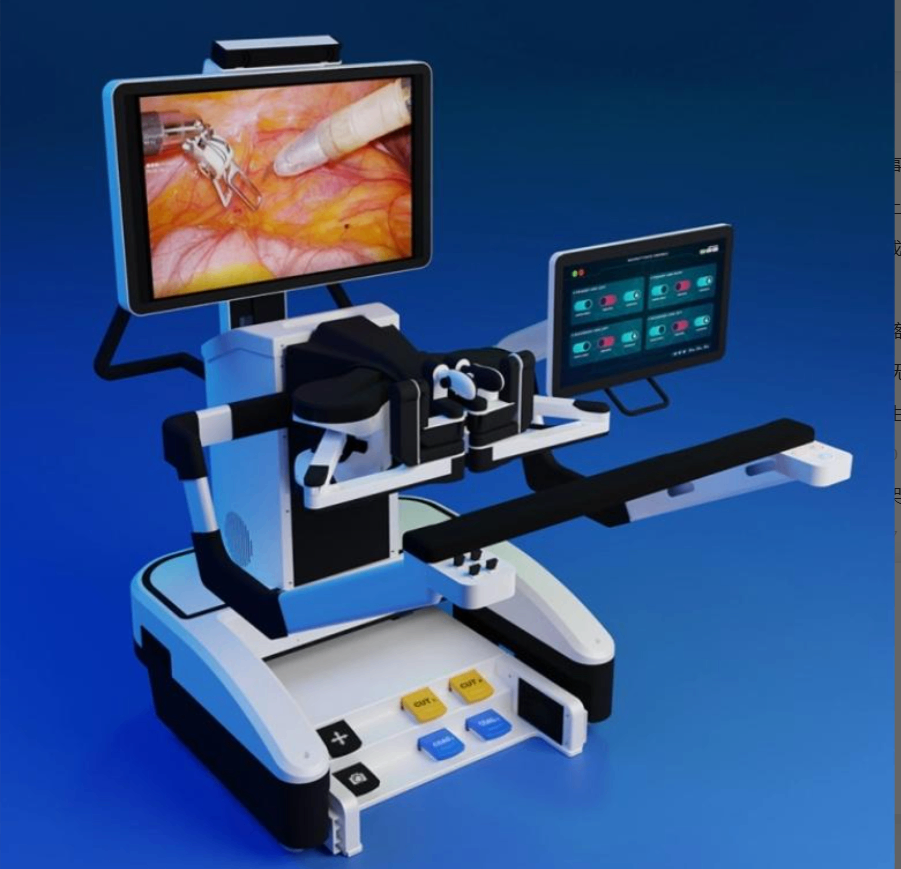
In China’s domestic surgical‑robot market, public hospitals mostly procure equipment via fiscal appropriations or internal funds. It is not common industry practice for suppliers to proactively offer 3‑to‑5‑year installment plans. However, when entering private‑hospital systems in India or Southeast Asia, customers’ payment capacity and willingness to pay will likely mirror the picture reflected in SSI’s financial statements. Enterprises will no longer only face superficial questions such as “whether the product can be sold” or “whether pricing is competitive”. Instead, they must grapple with balance‑sheet resilience: how long a payment term is the company willing to extend for overseas clients? At what scale of ballooning accounts receivable can corporate cash flow still sustain day‑to‑day operations and continuous R&D simultaneously?
SSI’s current answer is that it can sustain such expansion, conditional on continuous external financing. The company closed a USD 18.6 million private‑placement round in March 2026. Even so, it posted a net loss of USD 6.24 million within half a year. This expansion model featuring “high‑growth coupled with high accounts receivable and ongoing financing” serves as a highly valuable real‑world case study for all peer enterprises pursuing overseas expansion in the same sector.