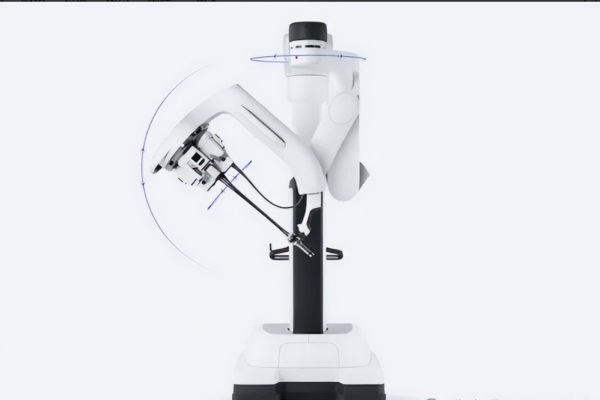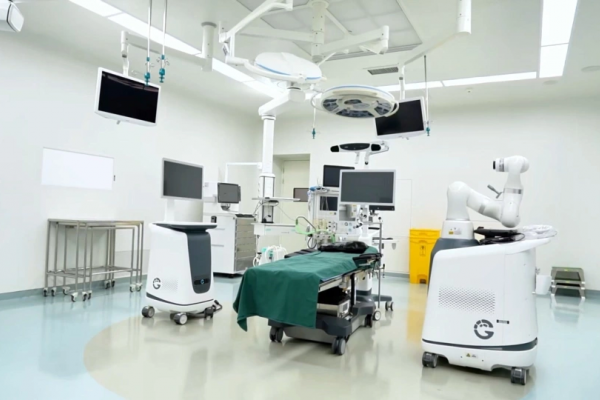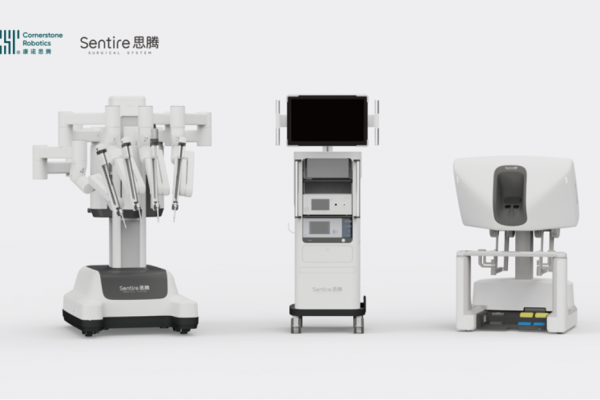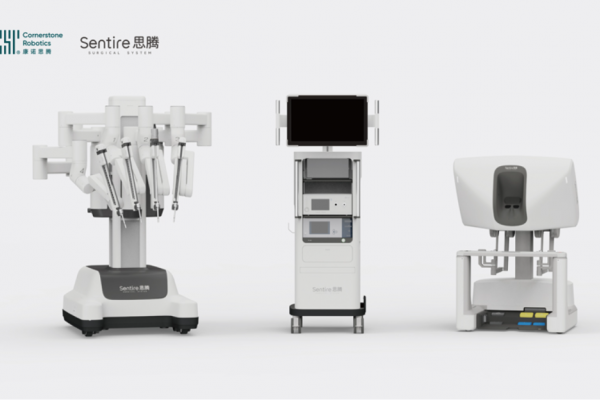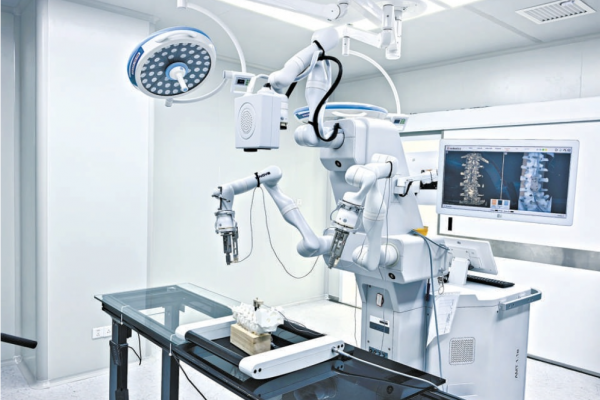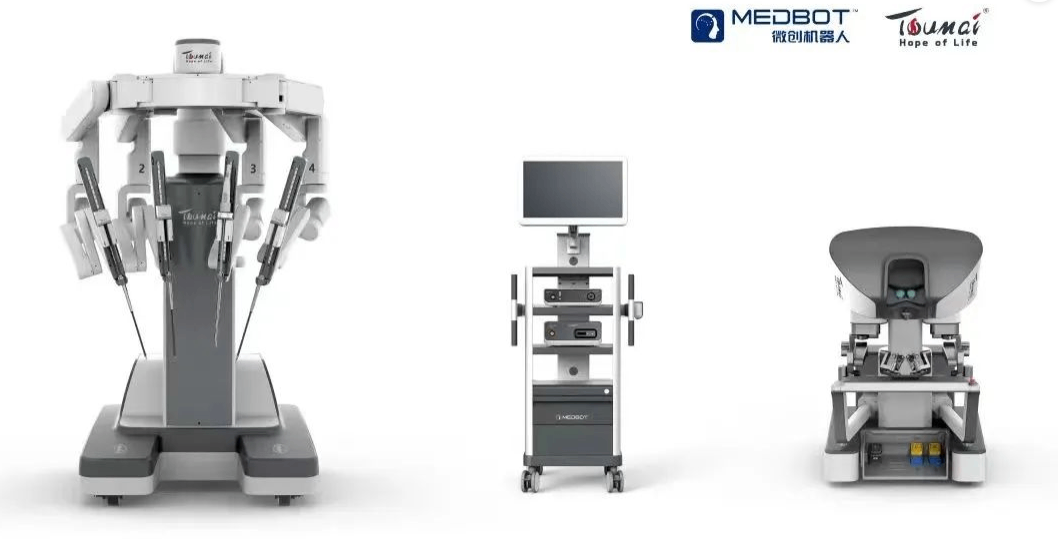
In fact, for a long period, China’s laparoscopic surgical‑robot market was firmly dominated by Intuitive Surgical’s da Vinci system from overseas brands, with its unrivaled market hold standing out as the defining feature of the industry. Breaking through its technical barriers and ending its market monopoly has long‑term been the goal pursued by numerous medical‑engineering researchers for domestically‑developed devices.
Thanks to over a‑decade‑long endeavors of numerous R&D teams, domestically‑produced surgical robots have risen through continuous iterations, marking a landmark breakthrough for China’s high‑end medical equipment sector to resolve bottleneck issues imposed by foreign suppliers.2025 stood out as a turning‑point year for the whole industry. Public‑owned hospitals across China awarded bids for 90 laparoscopic surgical‑robot units that year, among which domestic brands secured 47 units, exceeding a 50‑percent market share for the first time. Market shares of brands including MicroPort, J‑Robot, Sinovation and Shurui kept expanding, which put an end to years‑long monopoly held by overseas counterparts. The landscape of China’s surgical‑robot industry has transitioned from single‑party dominance into a new phase of multi‑player competition.
Leading domestic players represented by MicroPort Robotics have not limited their successes to the Chinese‑market. Instead, they are making in‑roads across the globe with mature products and delivering industry‑defying growth overseas.As of June 2026, global commercial orders for its flagship TouMai® laparoscopic surgical‑robot have exceeded 300 units. New orders secured in the first half of 2026 alone outnumbered the total figure for the whole year of 2025.
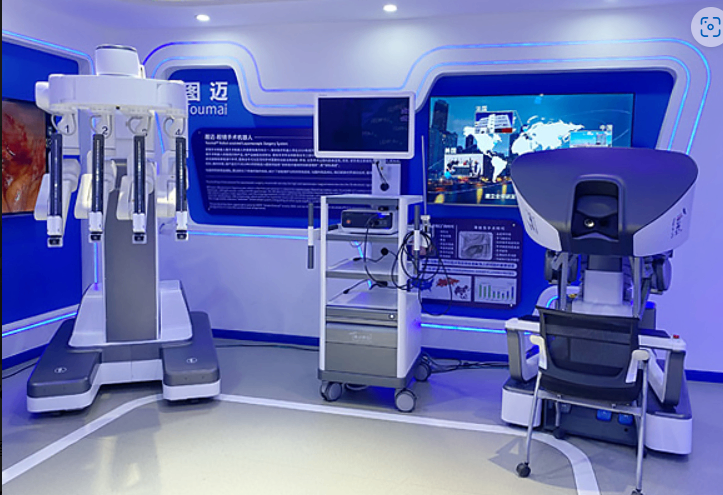
It took MicroPort nearly 1,000 days to secure its first‑100‑unit order, whereas the third batch of 100‑unit orders was closed in just over 120 days. Such accelerated growth has ushered its business expansion into a genuine explosive‑growth phase.Up to now, the TouMai® system has reached the 200th global commercial installation. New worldwide installations in 2026 rank first among domestic brands and within the global top‑2. Its devices have been deployed across more than 60 countries and regions, with standout overseas performance. In the first half of 2026, nearly 10 TouMai® units were commercially installed in Spain, making it the top‑selling brand locally by year‑to‑date deliveries. Cumulative orders from India have exceeded 30 units, while Brazil and Argentina have each registered close to 20 orders. MicroPort has thus achieved a strategic leap from merely exporting products to building a firmly‑rooted global brand.
If domestic substitution in laparoscopic surgical‑robotics represents steady‑paced overtaking around the bend, Chinese enterprises have taken the global lead in remote‑access surgery‑‑an emerging area lacking established precedents‑‑and evolved into shapers of worldwide technical standards.
In April 2025, the TouMai® remote‑operated surgical robot was approved by China’s National Medical Products Administration (NMPA), making it the world’s first commercially launched remote‑surgery robotic system. Additionally, it remains the only device worldwide with US FDA‑IDE clearance to conduct inter‑continental remote‑surgery clinical trials within the United States.
In June 2026, TouMai remote‑surgery robot secured EU CE‑MDR certification for remote‑surgery procedures covering urology, general surgery, thoracic surgery and gynecology. This marked the first‑ever regulatory acknowledgment by the EU that remote‑assisted surgery is a safe, effective and commercially deployable medical model. To date, TouMai remote‑surgery system has obtained regulatory approvals in nearly 20 countries and regions, rendering it the most widely‑compliant product across the global remote‑surgery landscape.
Techn‑wise, this Chinese‑developed system does not follow the development trajectory of conventional laparoscopic robots. Instead, it has defined five core capabilities for remote‑assisted surgery from scratch:
First, full‑scenario hybrid networking. It adaptively supports wired‑network, 5G, satellite and other access modes, catering to urban areas, remote regions and inter‑continental applications.Second, low‑latency communication. The round‑trip latency is kept below 50 milliseconds under ordinary conditions and remains less than 180 milliseconds even in extreme cross‑border and cross‑network environments.Third, end‑to‑end security protection. Encryption runs through terminals, data transmission and cloud‑based platforms to safeguard surgical data.Fourth, compatibility with operations across all departments and surgical procedures. It supports routine general‑surgery interventions as well as complex cardiac‑surgery procedures, with nearly 70 world‑first clinical milestones achieved so far.Fifth, large‑scale real‑world clinical validation capacity.
As of April 2026, the TouMai® system has delivered more than 1,000 remote‑assisted human clinical surgeries across nearly 30 countries, accounting for half of the global total with a 100% success rate.These outcomes are not merely ideal lab‑generated figures but practical achievements refined repeatedly amid diverse healthcare systems and varying communication environments. As He Chao, President of MicroPort Robotics, puts it, routinely‑performed remote surgeries in China are offering replicable Chinese solutions for balanced medical development across the globe.
The value of China‑developed remote‑assisted surgery has evolved far beyond early‑stage technical demonstrations and turned into accessible daily medical care for ordinary people. Domestically, telesurgery is rapidly expanding to county‑level hospitals.In June 2026, specialists based in Zhangjiang of Shanghai remotely controlled the surgical‑robot at Binchuan County People’s Hospital in Yunnan, over 3,000 kilometers away via the TouMai® system and completed a complex tumor‑resection surgery within 90 minutes.Fujian, Jiangsu and other provinces have successively built up 5G‑powered remote‑surgery frameworks linking provincial‑level hospitals with county‑based medical consortia, bringing top‑tier expertise from first‑tier‑city specialists straight to patients in remote regions.
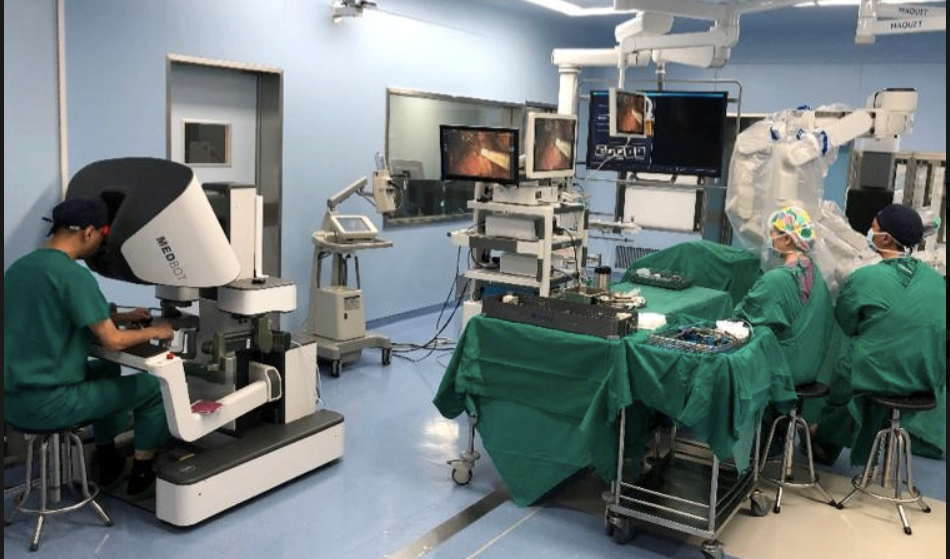
In July 2025, the world‑first inter‑continental ultra‑long‑distance robotic‑assisted hepatectomy for liver cancer was successfully carried out, witnessed by nearly 20,000 surgeons from dozens of countries across the globe. Later that same year, the world’s first robotic‑assisted remote‑access surgery relying on Starlink’s Low‑Earth‑Orbit (LEO) satellite network was completed. This milestone has ushered remote surgery from the era of dedicated private lines and 5G networks into a new phase underpinned by the Space‑Air‑Ground Integrated Network (SAGIN).From China’s inaugural 5G‑powered ultra‑long‑distance robotic cholecystectomy in 2023 to today’s routine satellite‑guided remote operations, China has accomplished a technical journey within merely three years that would take other nations more than a decade to finish.
On the global stage, Chinese‑developed technology keeps pushing the limits of remote‑assisted surgery. Since 2026, the TouMai® system has helped surgeons from China, the United Kingdom, Brazil, Thailand, India and other countries perform sophisticated remote‑assisted operations across provincial, national and inter‑continental boundaries covering multiple clinical disciplines. The longest surgical distance has hit 18,900 kilometers, delivering surgical cooperation that truly spans half the globe.
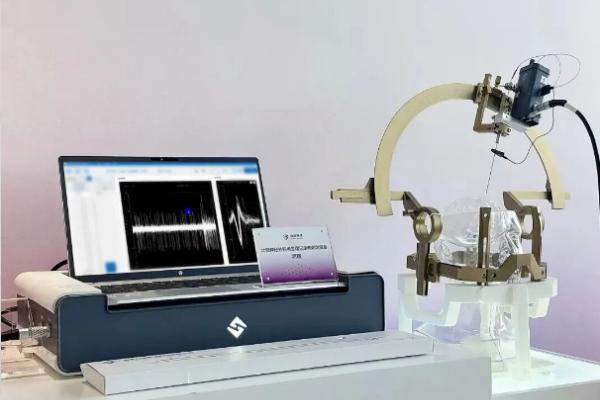
Proven remote‑surgery paradigms have enabled China’s surgical‑robot industry to achieve the crucial shift from catching‑up to global leadership, with further breakthroughs underway for the future.Domestic manufacturers have built a technical framework based on large‑language models for surgical robots and realized digital simulation for soft tissues and surgical instruments. Animal trials for autonomous surgery have been successfully completed. Annual production capacity of flagship products including TouMai® has exceeded 500 units, which can well underpin rapid‑growing global‑market demand.
From securing approval for the world’s first remote‑surgery robot and setting global standards via EU certification, to delivering the pioneering 5G‑powered remote‑assisted surgery and pulling‑off inter‑continental procedures across 18,900 kilometers; from routine deployment in China’s county‑level hospitals to building the world’s largest telesurgery network spanning five continents, China’s surgical‑robot sector has backed up its progress with tangible achievements. It demonstrates that Chinese‑intelligent manufacturing in high‑end medical equipment can not only break long‑standing foreign monopolies but also guide the industry’s future trajectory. This marks a footnote to a brand‑new era: China is redefining the future of surgery worldwide.