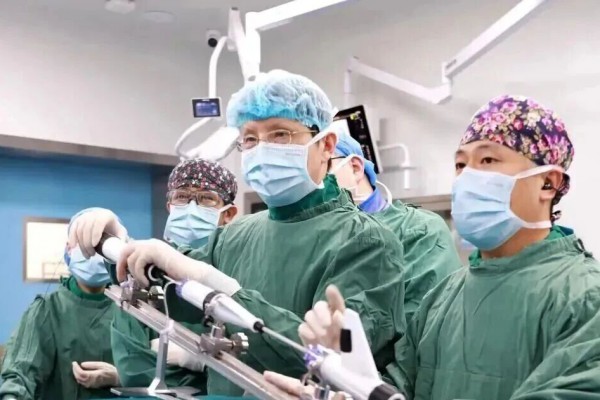
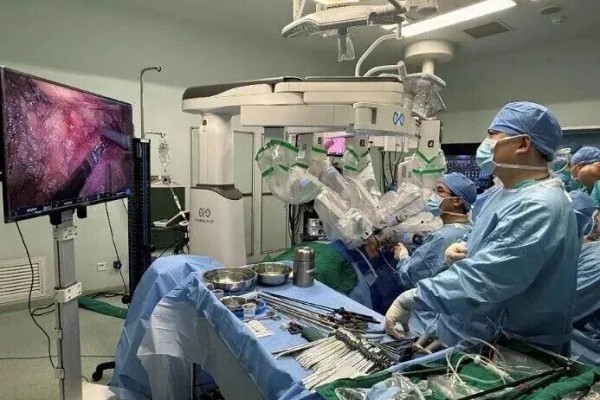
Shanghai is taking the lead nationwide in requiring clinicians to be formally qualified before performing robot-assisted surgery, an effort aimed at regulating this frontier technology and protecting patient safety.
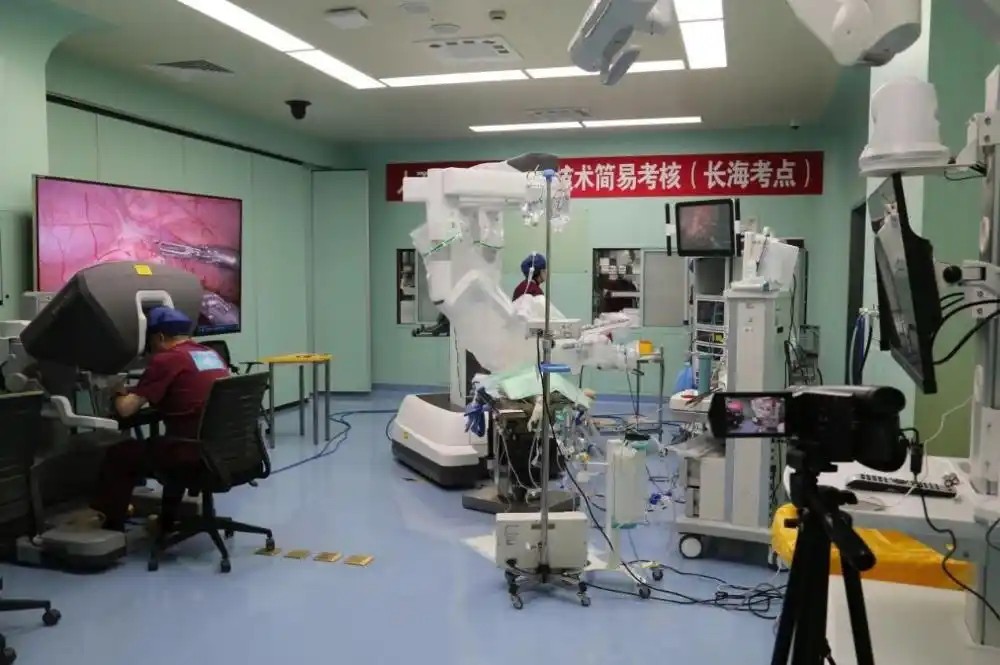
Standardized training plus standardized assessment
Recently, Shanghai held its first simplified skills assessment for artificial-intelligence-assisted therapeutic technology. The purpose was to evaluate physicians' clinical competence in robotic surgery and safeguard both medical quality and patient safety.
Those who pass will receive an official credential: the Shanghai Certificate of Qualification for the Standardized Clinical Application Assessment of Restricted Medical Technologies. According to Shanghai Changhai Hospital, this appears to be the first certification assessment of its kind in China organized and guided by a health authority.
The examination combines specialist questioning with practical animal-surgery testing. It focuses on clinical decision-making and intraoperative response, such as identifying indications and contraindications, managing vascular injury or major bleeding, and deciding when conversion to open surgery is necessary.
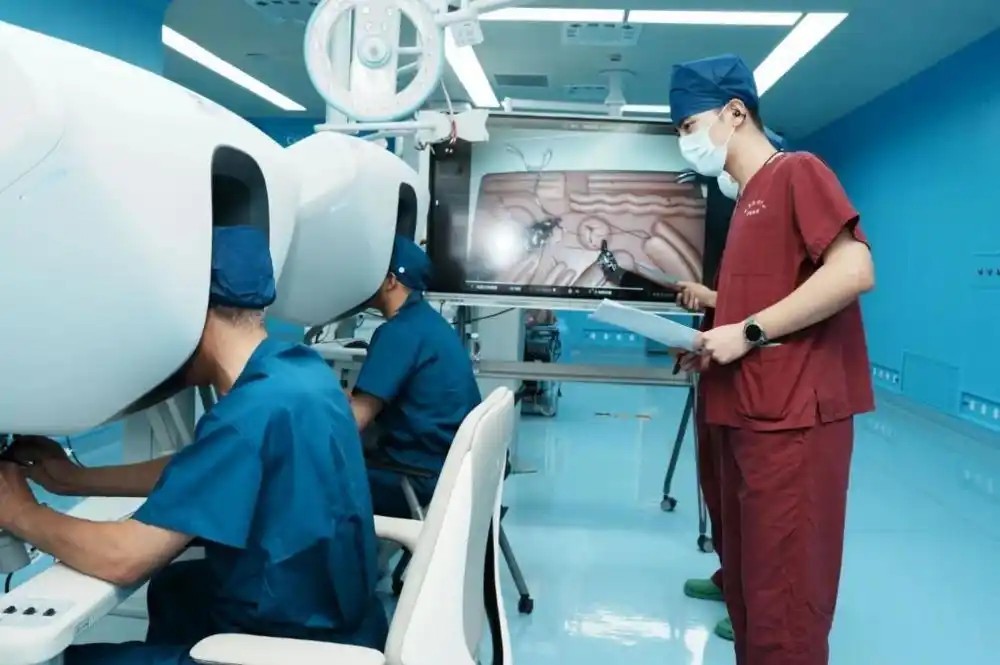
Putting rules in place for robotic surgery
Robotic surgery is classified nationally as a restricted medical technology, meaning that health-care personnel must receive systematic training and pass an assessment before using it clinically.
Changhai Hospital says enthusiasm for the program has been high, with candidates ranging from younger doctors to senior specialists from departments such as urology, obstetrics and gynecology, gastrointestinal surgery, hepatobiliary surgery, and thoracic surgery.
The hospital also noted that company-issued training certificates mainly prove familiarity with the device itself and do not necessarily guarantee sufficient clinical quality or integrated decision-making ability. In that sense, hospital-led standardized training aims to replace company-centered training with clinician-centered training.
Shanghai's system is intended to implement national policy at a local level and may become a model for wider standardization. Even as surgical robots become more intelligent, the hospital stresses that formal training and credentialed practice will remain the bottom line for medical quality and patient safety.